Book Appointment Now



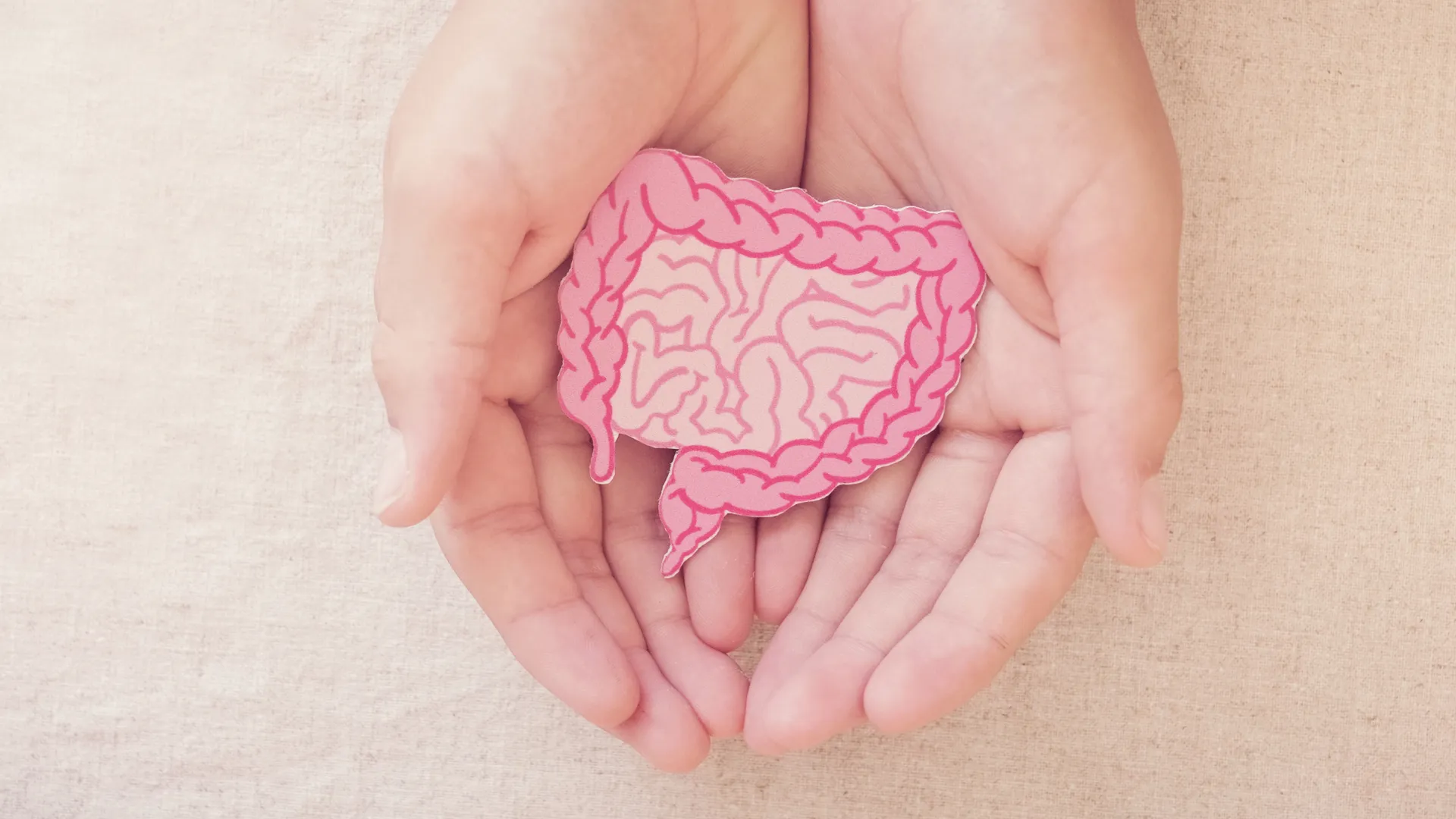
Do these symptoms sound familiar? Do you notice these symptoms in your child, or maybe yourself?
- Stimming
- Toe-Walking
- Reduced eye-contact
- Echolalia (meaningless repetition of words or phrases)
- Starch/grains or sugar cravings
- Irritability
- Biting, screaming
- Head banging
- Waking in the middle of the night and not falling back to sleep
- Bloating, flatulence
- Reflux
- Rocking and/or posturing (pressing abdomen onto furniture or someone’s leg)
- Hyperactivity
This is a key list of symptoms or behaviours of children with pathogenic overgrowths (also called Dysbiosis) in their digestive system, caused by bacteria, fungi, and/or parasites.
Has your family doctor or Pediatrician ordered stool testing after hearing your Autistic child has several of these symptoms? Doubtful. If they did, the tests likely wouldn’t have a positive finding. Stool tests conducted by medical labs in Canada only test for 5 species of bacteria that cause diarrhea. Science shows there are dozens of other pathogens that can be present in the digestive tract which the standard stool tests won’t find. As for parasites, it can take 8-10 tests to successfully detect parasites, yet you probably were only offered 1 or 2 tests.
Dr. Clack will propose a variety of proven tests to help check for the infections that contribute to autistic traits.
The tests can include:
- Microbiology Profile – culture and sensitivity for commensal and pathogenic bacteria, plus Candida
- Comprehensive Stool Analysis – analyzes digestion, short-chain fatty acid levels, inflammation in addition to pathogen markers
- Stool Ova and Parasite tests – ordered separately or combined with Comprehensive Stool Analysis tests
- Gastrointestinal microbiota DNA analysis from a single stool sample
- Live Cell Analysis, also called Live blood analysis – use of high-resolution dark field microscopy to identify conditions such as parasites, yeast, inflammation, vitamin and mineral deficiencies, acidity, dehydration, stress, allergies, toxin overload and many others.
The Laboratories offering the tests Dr. Clack offers to patients include Doctor’s Data, Diagnostic Solutions, and Microcell Sciences.
Treatment of Dysbiosis can be complicated, especially for patients who have suffered for long periods of time. Your treatment will likely include:
- Dietary modification: Specific Carbohydrate Diet (SCD), Gut and Psychology Syndrome diet (GAPS), Paleolithic diet, and Small Intestine Bacterial Overgrowth (SIBO diet). Most of these diets recommend eliminating grains, dairy and various foods that are rich in carbohydrates for 3 to 6 months.
- Herbal antimicrobial medicines: Garlic, Goldenseal (Berberis) and Berberine family, Grapefruit Seed Extract, Olive Leaf, Uva ursi, and Andrographis are commonly recommended. Dr. Clack may also suggest an “Antifungal parade” which involves rotating the use of different antimicrobial medicines to avoid allowing the pathogens to become resistant to treatment.
- Prescription antifungals, antibiotics and/or anti-parasitic medicines
- Drainage remedies for bacteria, viruses and/or parasites
- Nambudripads Allergy Elimination Techniques (NAET)
- These overgrowths are a very common problem.
Contact Dr. Clack for an Initial Consultation to get started on treating them.